
Deck Builders in Portland, Oregon: Build, Replace or Repair
Beautiful, functional outdoor spaces start with thoughtful design, quality materials and skilled craftsmanship. Explore custom deck construction, replacement and repair options for your Portland-area home.
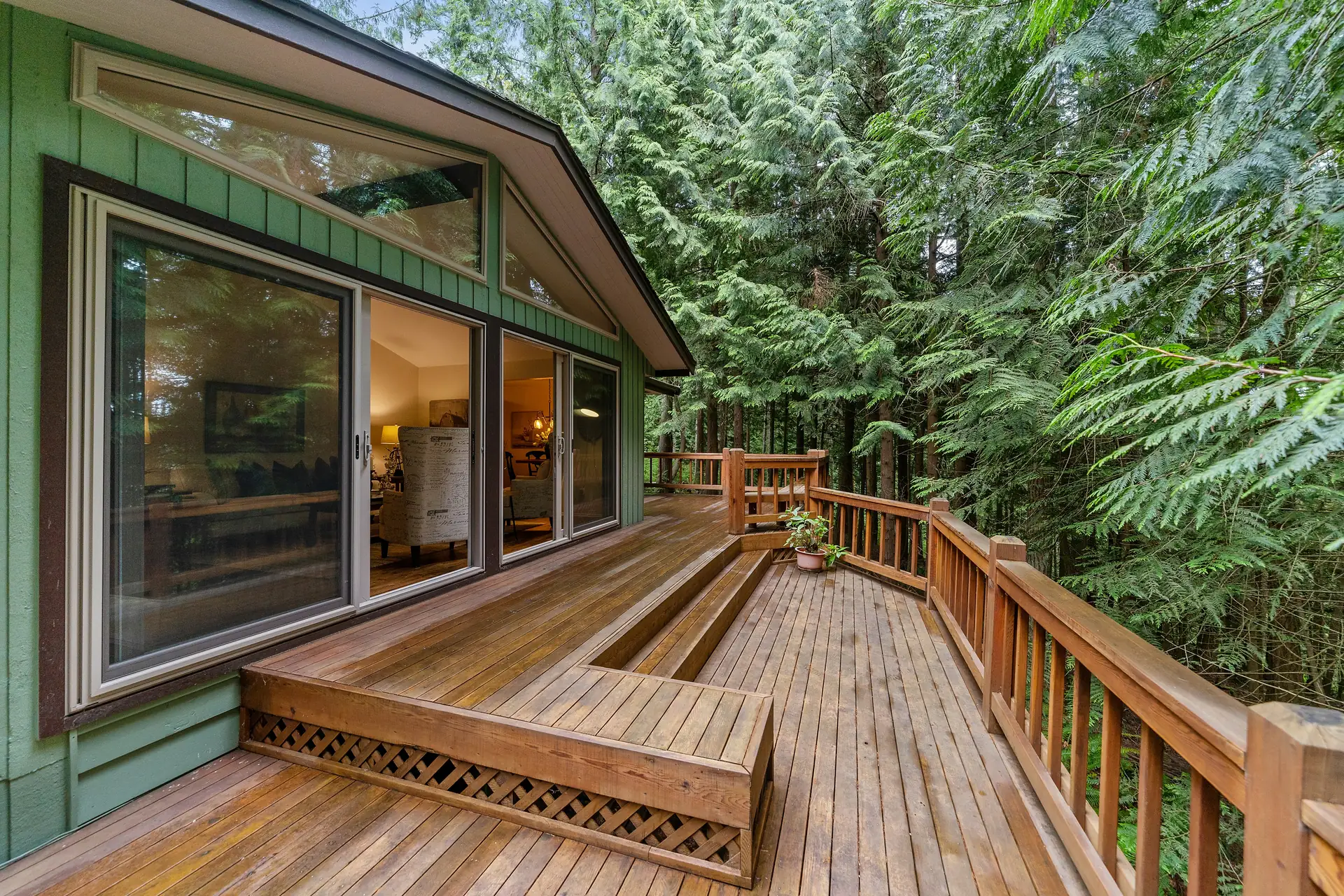
Deck services for Portland homes
Start with the project you have in mind. Each page covers what the work involves and the Portland rules that apply to it.
Deck Repair & Replacement
Soft boards, loose railings or a deck past saving: repairs, re-decking and full replacements.
Composite Decks
Composite, capped composite and PVC boards on a new deck or a sound existing frame, with long manufacturer warranties.
Covered Decks
Add a roof over your deck. Attached covers and freestanding structures, plus the permits Oregon requires.
Last updated
Deck builders in Portland: planning the right deck
A well-built deck gives you an outdoor room you can use from spring into fall and, with a cover over it, through a Portland winter too. Whether you are picturing a new deck off the back door, a second-story deck on a sloping lot, new boards on a tired frame or a roof over the deck you already have, the same questions decide how it turns out: what it is built from, how it is built, and what the City allows. This page walks through each of them.
Tell us about the deck you have in mind, or the one that needs work, and we will follow up about a free estimate. Asking costs nothing, and there is no obligation.
Deck materials and options
The boards are where most of the choice is: pressure-treated wood, cedar, which Oregon State University Extension notes costs more but resists decay, or composite and PVC boards, which carry long manufacturer warranties and a higher price. Our guide to the best decking for Portland’s climate compares them for our rain and shade, and the composite deck builders page explains what changes when the boards are composite.
Railings and stairs have rules of their own. Once a deck is more than 30 inches above the ground it needs guards (the code’s word for railings), and the deck railing height and stair code guide sets out the heights and gaps. If you want the deck usable in winter, see covered decks and deck roofs.
Why the structure matters
Every deck, whatever it is surfaced with, is a structure first. The posts sit on concrete footings, beams and joists carry the boards, and an attached deck hangs from a ledger board fastened to the house, flashed so that water does not reach the house framing behind it. Then come the decking, the stairs and the guards. A good estimate covers all of it, plus the permit when the deck needs one.
Portland’s weather is why those details matter. The 1991-2020 normal at Portland International Airport is 36.92 inches of rain a year (NOAA). Oregon State University Extension notes that wood which stays wet decays faster, and OSU warns that moss on decks can be slippery. Footings, flashing and boards chosen with that rain in mind are what keep a deck sound, and easy to look after, for years.
The houses are older than in most of the metro, too: the median Portland home was built in 1966, according to the Census Bureau’s 2020-2024 American Community Survey. On an older house, the ledger connection and the flashing behind it deserve a close look before new boards go down, and a contractor’s estimate should say what they found.
Planning a deck in Portland
Permits and setbacks
In Portland, the City’s deck guidance puts it plainly: if the walking surface is over 30 inches from the ground, you need a building permit. That follows the statewide exemption in the Oregon Residential Specialty Code, which measures the 30 inches at any point within 3 feet of the deck. Two Portland rules catch people out even on low decks: covered decks have zoning requirements at any height, and the City’s deck plans must show the root protection zone of nearby trees under Title 11. Portland’s zoning code lets a deck no more than 2-1/2 feet above the ground extend into the whole required setback, while a higher deck may extend only 20 percent of the setback’s depth and must stay at least 3 feet from the lot line. All of this, and how the suburbs differ, is in our deck permit rules guide.
Repair or replace
If you already have a deck, the frame decides it. When the posts, beams and joists are sound, repair is the smaller job; replacing the whole deck means demolition, new footings and framing, and a permit for any deck more than 30 inches above the ground. For a deck that has gone soft, wobbly or mossy, start with deck repair and replacement.
Cost
For prices, our page on what a deck costs gives the most recent published Portland figures for a wood and a composite deck, what that standard project includes, and what moves a real estimate up or down.
How to check a deck contractor in Oregon
Oregon law requires anyone who bids on construction work for pay to hold a current license from the Construction Contractors Board (ORS 701.021). Before you sign anything, look the contractor up on the CCB’s public license search. The CCB says the record shows:
- whether the contractor is actively licensed and has a surety bond;
- whether they gave proof of liability insurance when first licensed and at renewal;
- whether they carry workers’ compensation insurance;
- complaints or disciplinary actions filed with the CCB over the past 10 years, if there are any.
Ask for the estimate in writing, with the deck size, the board and railing materials, who pulls the permit and what happens to the old deck if one is coming out. Whoever you hire, the license search is worth the two minutes.
Beyond Portland, see deck builders across the Portland metro, including Lake Oswego, Tigard, Happy Valley and Oregon City, where the permit rules differ from Portland’s.
Ready to price your deck?
Describe the deck you have in mind, or the one that needs work, and get a free estimate with no obligation.
Serving the Portland Metro area
Coverage runs across 11 communities in Multnomah County, Washington County and Clackamas County.
Questions about building a deck in Portland
Do I need a permit to build a deck in Oregon?
Usually only if it is high. Oregon's residential code exempts a deck whose walking surface is no more than 30 inches above grade, measured at any point within 3 feet; above that, a building permit is needed. Covers, setbacks, trees and some cities add their own rules, which our deck permit guide sets out.
What should a deck estimate include?
The deck size, the board and railing materials, who pulls the permit, and what happens to the old deck if one is coming out. Ask for it in writing, so that two estimates can be compared line by line.
Should I repair or replace my deck?
The frame decides it. When the posts, beams and joists are sound, repair is the smaller job; replacing the whole deck means demolition, new footings and framing, and a permit for any deck more than 30 inches above the ground.
Is the estimate free?
Yes. Asking for an estimate is free, the estimate is free, and you are under no obligation to hire anyone.
How do I check a deck contractor in Oregon?
Look them up on the Oregon Construction Contractors Board's public license search. Oregon law says anyone who bids on construction work for pay must hold a current CCB license, and the search shows the bond, insurance and any complaints from the past 10 years.
Plan your deck project
Describe the deck you have in mind, or the one that needs work, and get a free estimate with no obligation.